Logo

Currently viewing: Meet our Council members | Next: Governance structures of the NWU

1. PROF ND KGWADI (52)
Vice-Chancellor and Principal

Qualifications: BScEd (University of North West), MSc (physics) (Ball State University, USA), MPhil ( environmental law and management) (North West University), PhD (physics education) (Potchefstroom University for Christian Higher Education (PU for CHE), PhD (management – honoris cause) (Hanseo University, South Korea)

Vice-Chancellor, appointed for six-year term from 2014 to 2020

Council committee and total years of service:

All Council committees ( except Audit, Risk and Compliance Committee – not a full member) | One year into second term

Number of committee meetings and average attendance:

53 meetings | 77% attendance

Directorships: USAf

2. PROF L DU PLESSIS (51)
Vice-Principal

Qualifications: PhD (education), MSc (computer science), Hons BSc, BSc (PU for CHE), Certificate for environmental educators (Unisa), Leadership in Higher Education (Institute for Educational Management, Harvard), Certificate in ICT in Education for Policy Implementers (Wits, Oracle University)

Oracle SQL, Oracle Units and Oracle Forms 1 and Oracle Forms 2, Oracle Reports, Oracle data base administration | Clarion for Windows 1.5, Linux | You, the manager, and your team, the essentials of Leadership | Professionalism in workplace, project management | Environmental education (one-year course, Unisa) Vice-principal, appointed in 2020 for an three-year term coinciding with her term as deputy vice-chancellor for assigned functions and Vanderbijlpark Campus operations

Council committee and total years of service: Council Exco | Second term

Number of committee meetings and average attendance:

27 meetings | 100% attendance

Directorships: None

3. PROF HH JANSE VAN VUUREN (61)
Elected by Senate

Qualifications: MCom (accountancy), BComHons – CTA, BComHons (cost and management accounting), BCom (accounting) (NWU); appointed for a three-year term from 2018 to 2021

Council committee and total years of service:

Student Oversight Committee | Honorary Awards Committee | Social and Ethics Committee

Two years, nine months into first term

Number of committee meetings and average attendance:

8 meetings | 100% attendance

Directorships: None

4. PROF AF KOTZÉ (55)
Elected by Senate

Qualifications: BPharm, MSc, PhD (NWU), appointed for a three-year term from 2019 to 2022

Council committee and total years of service:

Honorary Awards Committee | People and Culture and Employment Equity Committee

Two years into first term

Number of committee meetings and average attendance:

9 meetings | 100% attendance

Directorships: Innovation Highway Enterprises | Hanks TB Diagnostics

5. PROF HJ VAN DER MERWE (58)
Elected by Senate

Qualifications: BSc, BScHons (University of Pretoria), MEd (Rand Afrikaans University), PhD (Unisa), higher education diploma (University of Pretoria); appointed for a three-year term from 2019 to 2022

Council committee and total years of service:

Honorary Awards Committee | Technology and Information Governance Committee

Two years and one month into first term

Number of committee meetings and average attendance:

9 meetings | 100% attendance

Directorships: International Association for Mobile Learning (IAmLearn) | Innovation Highway Enterprises | IntSys (speech technology)

6. PROF JD VAN ROMBURGH (42)
Elected by academic staff members

Qualifications: Chartered accountant (South Africa) (CA(SA)), MCom (management accounting) (NWU); appointed for a three-year term from 2018 to 2021

Council committee and total years of service:

Transformation Oversight Committee | Social and Ethics Committee

Two years and eight months into first term

Number of committee meetings and average attendance:

10 meetings | 100% attendance

Directorships: Adams & Adams Forensic Investigation Services Pty Ltd | Moerlandspan Boerdery Pty Ltd | Isebe The Branch Pty Ltd

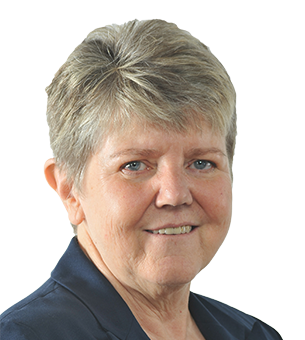
7. PROF W DU PLESSIS (61)
Elected by academic staff members

Qualifications: BJur, LLB, MA (environmental management), LLD (NWU), appointed for a three-year term from 2018 to 2021

Council committee and total years of service:

Student Oversight Committee

Two years and five months into first term

Number of committee meetings and average attendance:

6 meetings | 100% attendance

Directorships: None

8. PROF FM NKOANA (58)
Elected by support staff members

Qualifications: Bachelor in Administration, appointed for a three-year term from 2019 to 2022

Council committee and total years of service:

People and Culture and Employment Equity Committee

One year and nine months into first term

Number of committee meetings and average attendance:

meetings | 100% attendance

Directorships: None

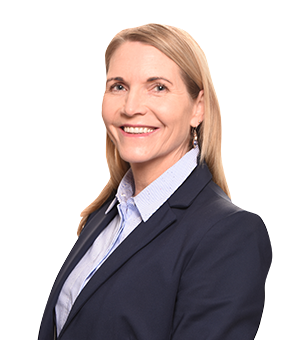
9. DR F BOTHMA (49)
Elected by support staff members

Qualifications: BA, Higher Education Diploma (N) Counselling (cum laude), BEdHons, MEd, DPhil in education law, appointed for a three-year term from 2019 to 2022

Council committee and total years of service:

Transformation Oversight Committee

One year and one month into first term

Number of committee meetings and average attendance:

7 meetings | 100% attendance

Directorships: None

10. MR S HLOPE (25)
Student Representative Council

Qualifications: Enrolled for BEd, NWU

Council committee and total years of service:

Student Oversight Committee

One month into one-year term

Number of committee meetings and average attendance:

No meetings were held after appointment in 2020

Directorships: USAf

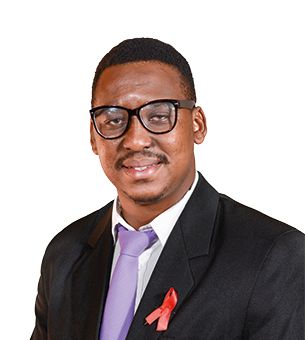
11. M T TLALE (28)
Student Representative Council

Qualifications: Enrolled for BEd, NWU

Council committee and total years of service:

Student Oversight Committee

One month into one-year term

Number of committee meetings and average attendance:

No meetings were held after appointment in 2020

Directorships: None

12. MS D GIORGI (25)
Student Representative Council

Qualifications: Enrolled for LLM in international child law, NWU

Council committee and total years of service:

Student Oversight Committee

One month into one-year term

Number of committee meetings and average attendance:

No meetings were held after appointment in 2020

Directorships: None

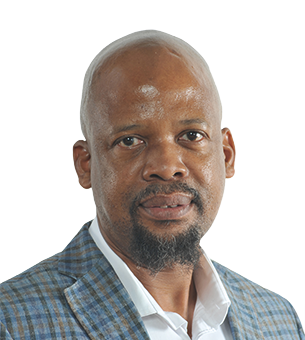
13. MR OE MONGALE (48)
Appointed by the Minister of Higher Education, Science and Innovation

Qualifications: Studying towards a master’s of philosophy (in conflict transformation) (Nelson Mandela University), postgraduate diploma in management, master’s in industrial psychology (NWU), honours in industrial psychology, bachelor’s in administration (UniBo); appointed for a three-year term from 2020 to 2023

Council committee and total years of service:

Tender Committee | Finance Committee | Executive Committee (alternate)

Three months into second term

Number of committee meetings and average attendance:

13 meetings | 100% attendance

Directorships: Hub Farming | Sego Programme and Project Management | The Hub People | Monchwa Investment | Bachem | Izinyoni Trading 328 | Kehu Projects | Teki Project and Programme Management

14. MS T SEMANE (43)
Appointed by the Minister of Higher Education, Science and Innovation

Qualifications: Postgraduate diploma in business administration (GIBS), BCom (accounting), studying towards a master’s degree in industrial psychology; appointed for a three-year term from 2018 to 2021

Council committee and total years of service:

Technology and Information Governance Committee | Social and Ethics Committee | Finance Committee

Two years and five months into first term

Number of committee meetings and average attendance:

15 meetings | 80% attendance

Directorships: Linea Pty Ltd

15. MR C MABE (41)
Appointed by the Minister of Higher Education, Science and Innovation

Qualifications: BCom (University of North West), Dip AIBM (finances), diploma in financial management (business management College of Southern Africa), certificate in managing the employment process (Unisa), MBA (NWU), appointed for a three-year term from 2018 to 2021

Council committee and total years of service:

Finance Committee | Remuneration Committee | Transformation Oversight Committee

Two years and five months into first term

Number of committee meetings and average attendance:

15 meetings | 93% attendance

Directorships: NH 2606 Pty Ltd | CM 2510 Pty Ltd | Jepa Resources

16. MR TC KGOMO (52)
Appointed by the Minister of Higher Education, Science and Innovation

Qualifications: BCom (University of North West); appointed for a three-year term from 2020 to 2023

Council committee and total years of service:

People and Culture and Employment Equity Committee | Executive Committee of NWU Council | Transformation Oversight Committee | Honorary Awards Committee | Innovation Highway Advisory Board | Senate | Senex

Two years and three months into second term

Number of committee meetings and average attendance:

12 meetings | 100% attendance

Directorships: None, only shareholding

17. MR MSJ THABETHE (45)
Appointed by the Minister of Higher Education, Science and Innovation

Qualifications: National diploma in information technology, BTech in information technology (TWR), MCom in information systems (University of the Witwatersrand), appointed for a three-year term from 2020 to 2023

Council committee and total years of service:

Technology and Information Governance Committee | Audit, Risk and Compliance Committee | Social and Ethics Committee | Innovation Highway Enterprises Advisory Board

Three months into second term

Number of committee meetings and average attendance:

15 meetings | 93% attendance

Directorships: Sihlasi Technologies CCAf

18. MR JDS DE BRUYN (69)
Elected by the Board of Donors

Qualifications: BCom (accounting science), BIuris, LLB (PU for CHE); appointed for a three-year term from 2018 to 2021

Council committee and total years of service:

Audit, Risk and Compliance Committee | Tender Committee | Senate

Two years and six months into second term

Number of committee meetings and average attendance:

12 meetings | 92% attendance

Directorships: None

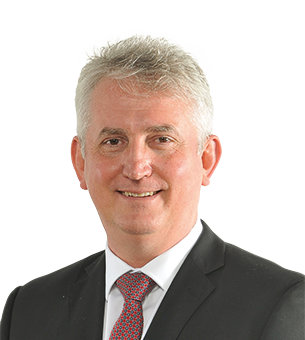
19.MR A VAN ROOY (51)
Elected by the Board of Donors

Qualifications: BSc (chemistry, biochemistry) (NWU), BProc (Unisa), Patent Examination Board, qualified as a patent attorney, admitted as an attorney; appointed for a three-year term from 2018 to 2021

Council committee and total years of service:

Innovation Highway Enterprises Advisory Board | Assets Committee

Two years and one month into first term

Number of committee meetings and average attendance:

5 meetings | 100% attendance

Directorships: DM Kisch Inc | Kisch Africa Inc | Sederkrans Familie Boerdery

20. MS U BARRAVALLE (37)
Elected by the Board of Donors

Qualifications: BSc (chemistry and biochemistry), BSc (chemistry), (Hons) (RAU), LLB (Unisa), appointed for a three-year term from 2020 to 2023

Council committee and total years of service:

Assets Committee

One year and one month into first term

Number of committee meetings and average attendance:

5 meetings | 100% attendance

Directorships: DM Kisch Inc | Kisch Africa Inc

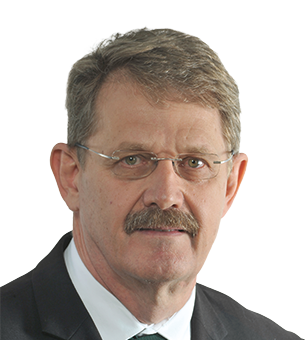
21. MR A SORGDRAGER (61)
Elected by the Convocation

Qualifications: BIuris and LLB (PU for CHE), international executive programme (INSEAD Business School); appointed for a three-year term from 2020 to 2023

Council committee and total years of service:

Executive Committee of Council | Remuneration Committee | Audit, Risk and Compliance Committee | Investments Committee | Student Oversight Committee

Six months into second term

Number of committee meetings and average attendance:

32 meetings | 94% attendance

Directorships: Yellowstone Trust | Vaalrivier Steiltes | Pegasus Alumni Trust | Erf 549 (Edms) Bpk

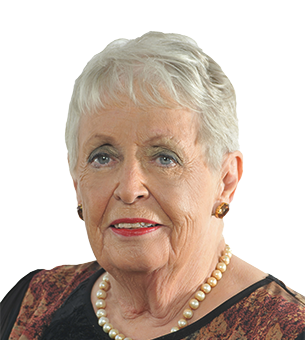
22. PROF AL COMBRINK (74)
Elected by the Convocation

Qualifications: BA, BAHons in English, MA in English, DLitt in English (PU for CHE) and higher education diploma (Unisa); appointed for a three-year term from 2018 to 2021

Council committee and total years of service:

Student Oversight Committee | Executive Committee of Council (alternate)

Two years and two months into second term

Number of committee meetings and average attendance:

18 meetings | 83% attendance

Directorships: None

23. MR C MULDER (34)
Elected by the Convocation

Qualifications: BA Communication Studies, BSc IT (NWU), appointed for a three-year term from 2018 to 2021

Council committee and total years of service:

Transformation Oversight Committee | Student Oversight Committee | Social and Ethics Committee

Two years and six months into first term

Number of committee meetings and average attendance:

14 meetings | 86% attendance

Directorships: None

24. REV CANON DP DINKEBOGILE (66)
Appointed from the ranks of the university’s community leaders

Qualifications:Diploma in theology (St Peters College), Master’s in Christian education (MACE) (USA-Virginia Theological Seminary); appointed for a three-year term from 2019 to 2022

Council committee and total years of service:

People and Culture and Employment Equity Committee | Institutional Forum | Remuneration Committee

One year and six months into second term

Number of committee meetings and average attendance:

17 meetings | 88% attendance

Directorships: None

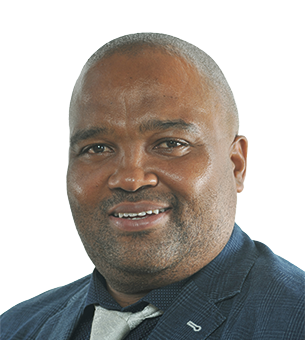
25. DR MB TYOBEKA (45)
Appointed by Council for specific expertise

Qualifications: BScEd and MSc (applied radiation science and technology) (University of North West), MSc and PhD (nuclear engineering) (Penn State University, USA), MSc (management) (Colorado Technical University, USA); appointed for a three-year term from 2020 to 2023

Council committee and total years of service:

Executive Committee of Council | Finance Committee | Remuneration Committee | Honorary Awards Committee

One month into third term

Number of committee meetings and average attendance:

27 meetings | 96% attendance

Directorships: None

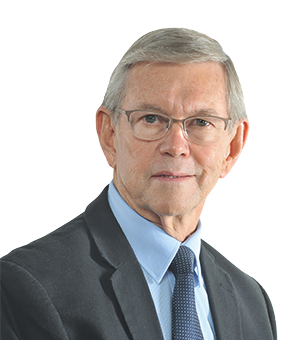
26. MR A REDELINGHUIS (70)
Appointed by Council for specific expertise

Qualifications: MCom (PU for CHE), CA (SA); appointed for a three-year term from 2016 to 2019

Council committee and total years of service:

Audit, Risk and Compliance Committee | People and Culture and Employment Equity Committee | Remuneration Committee

One year and six months into second term

Number of committee meetings and average attendance:

18 meetings | 100% attendance

Directorships: None

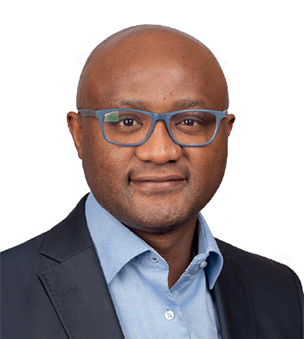
27. MR TV MOKGATLHA (45)
Appointed by Council for specific expertise

Qualifications: BCom (accounting) (NWU), Honours Bcompt/Certificate of theory in accounting (CTA) (Unisa), appointed for a three-year term from 2019 to 2022

Council committee and total years of service:

Assets Committee

One year and six months into first term

Number of committee meetings and average attendance:

6 meetings | 50% attendance

Directorships: MTBG Investments | Metsi Phepha Batho Holdings | Neliscore | Baphalane Ba Mantserre Investment Holdings | Baphalane Siyanda Chrome Company | Philisani Pty Ltd | Avior Capital Markets Holdings | StokFella | Baphalane Ba Mantserre NPC | Paphalane Property Holdings | His Crown Apostolic Ministries | BBMIH Textile | BBMIH Food | BBMIH Manufacturing | Hyprop Investment | Alpha Cube Capital | 4AX | YeboYetho Investment Company | YeboYetho (RF) Limited | Atomatic Trading | Nutritional Holding

left background frame
right background frame

Meet our Council members
(Council membership as at 31 December 2020)
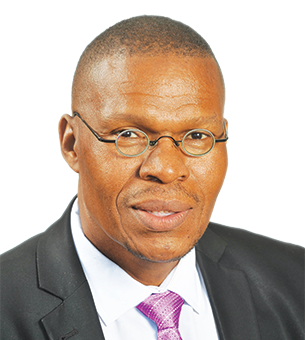
 

1. PROF ND KGWADI (52)
Vice-Chancellor and Principal
Full bio

2. PROF L DU PLESSIS (51)
Vice-Principal
Full bio

3. PROF HH JANSE VAN VUUREN (56)
Elected by Senate
Full bio
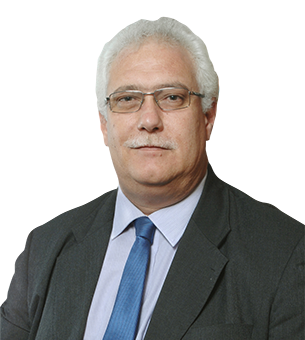
4. PROF AF KOTZE (55)
Elected by Senate
Full bio
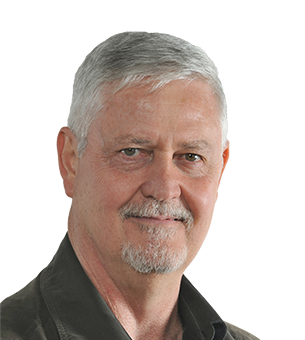
5. PROF HJ VAN DER MERWE (58)
Elected by Senate
Full bio

6. PROF JD VAN ROMBURGH (42)
Elected by academic staff members
Full bio
7. PROF W DU PLESSIS (61)
Elected by academic staff members
Full bio

8. MR FM NKOANA (58)
Elected by support staff members
Full bio
9. DR F BOTHMA (49)
Elected by support staff members
Full bio

10. MR S HLOPE (25)
Student Representative Council
Full bio
11. M T TLALE (28)
Student Representative Council
Full bio

12. MS D GIORGI (25)
Student Representative Council
Full bio
13. MR OE MONGALE (48)
Appointed by the Minister of Higher Education, Science and Innovation
Full bio

14. MS T SEMANE (43)
Appointed by the Minister of Higher Education, Science and Innovation
Full bio
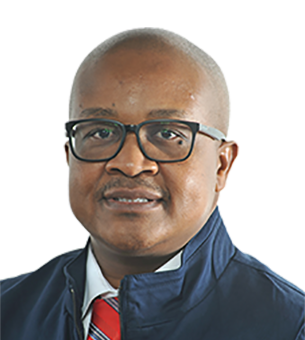
15. MR C MABE (41)
Appointed by the Minister of Higher Education, Science and Innovation
Full bio
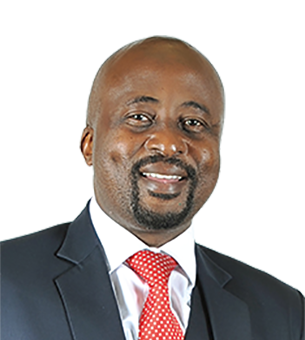
16. MR TC KGOMO (52)
Appointed by the Minister of Higher Education, Science and Innovation
Full bio
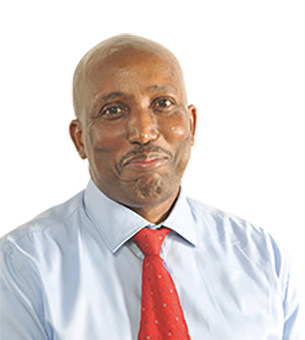
17. MR MSJ THABETHE (45)
Appointed by the Minister of Higher Education, Science and Innovation
Full bio
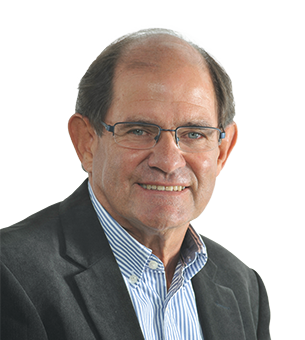
18. MR JDS DE BRUYN (69)
Elected by the Board of Donors
Full bio
19. MR A VAN ROOY (51)
Elected by the Board of Donors
Full bio

20. MS U BARRAVALLE (37)
Elected by the Board of Donors
Full bio
21. MR A SORGDRAGER (58)
Elected by the Convocation
Full bio
22. PROF AL COMBRINK (74)
Elected by the Convocation
Full bio

23. MR C MULDER (34)
Elected by the Convocation
Full bio

24. REV CANON DP DINKEBOGILE (66)
Appointed from the ranks of the university’s community leaders
Full bio
25. DR MB TYOBEKA (45)
Appointed by Council for specific expertise
Full bio
26. MR A REDELINGHUIS (70)
Appointed by Council for specific expertise
Full bio
27. MR TV MOKGATLHA (45)
Appointed by Council for specific expertise
Full bio

Diversity of skills and experience

Our Council members boast a variety of valuable skills and experience. Their fields of expertise are given below:

  • Governance and ethics in general
  • Higher education governance
  • Student management and governance
  • General management, business, industrial psychology
  • Science/innovation, technology, engineering
  • Communication, languages
  • General legal expertise
  • Psychology and theology

Having resolved in November 2018 to pursue the establishment of a particular skills set, the NWU Council took these skills into account in 2020 when seeking to fill vacancies in membership. The coloured blocks in the diagram below represent the skills that are given emphasis.

1 General legal expertise
2 Environment, land and indigenous law
3 Global engagement expertise
4 Data analytics expertise
5 Audit and accounting expertise
6 Investment expertise
7 Fundraising expertise
8 Finances and business expertise (medium to macro enterprises)
9 Business administration and/or strategy expertise
10 Governance and ethics expertise
11 Corporate communication expertise
12 Information technology expertise
13 Technology transfer expertise
14 High positive public profile – science
15 High positive public profile – community engagement
16 Arts/people management


Council transformation

Council continued to focus on transformation targets for its membership and approved the following equity targets for Council to achieve by January 2025:

African female African male Indian/Coloured
male/female
White female White male Total
7 8 2 6 7 30
23,3% 26,7% 6,7% 20,0% 23,3% 100%

As at 31 December 2020, the equity profile of Council was as follows:

African female African male Indian/Coloured
male/female
White female White male Total
1 8 0 12 1 30
3,3% 26,7% 0% 26,7% 3,3% 100%


Council and COVID-19 in 2020

Realising the affect the Covid-19 pandemic had on how institutions conduct their business, Council understood that being the overall custodian of good corporate governance was not “business as usual”. Where necessary, they adapted their decision making, expanded their view of the higher education environment and evolved in their oversight and guidance role to assist the NWU to navigate the new landscape.

Owing to the outbreak of the Covid-19 pandemic, the NWU Council meeting scheduled for 18 and 19 March 2020 was cancelled, and Exco – as mandated in the NWU Statute – disposed of any urgent business between meetings on behalf of the Council.

All matters so disposed of by the Exco were ratified by Council at its next meeting on 28 July 2020, which was also held electronically, as was the Council meeting of 10 September 2020. After the country moved to lockdown level one, a hybrid format was used for the 19 November 2020 Council meeting, with Council members joining electronically and in person at a venue on the Vanderbijlpark Campus.

At each meeting, Council received reports concerning business continuity amidst the Covid-19 situation.

Council also received comprehensive reports from a Covid-19 response team the vice-chancellor had established. These reports included information about the return of staff to the workplace, what measures were in place to mitigate the risk of the spread of Covid-19 in the workplace and ensure business continuity as far as possible, along with a financial impact report and a compliance report.

Council also noted the following principles agreed upon by the University Management Committee that would guide its response to the threats posed by Covid-19:
 

Salvaging the 2020 academic year by employing accountable and responsible quality-driven processes

Being cognisant of the fact that a substantial number of NWU students might not be able to access online teaching and learning because of issues related to data, connectivity and lack of devices

Utilising online learning as the primary means of delivery during the crisis period and commencing with this as soon as possible, subject to any national developments

Finding alternative ways to ensure bespoke support to students who do not have optimal access to online learning opportunities (measures such as distance-mode delivery and catch-up winter school support)

Continuing with the delivery of essential services, ensuring financial viability and exploring ways and means to ensure a smooth transition of students and staff back to campuses and residences by executing a well-considered plan and ensuring absolute compliance with national health and safety regulations


On 10 September 2020, Council noted matters such as the reintegration of our staff and students, the health and safety measures taken, preparations for a possible move to Alert Level 1 and the risks the coronavirus posed for the NWU.

In November 2020, Council received a comprehensive report on teaching and learning, student life, and staff matters. Click here to read the full report.

“We as Council expressed our appreciation to the registrar, the viceprincipal and the chief strategy officer for the role they played in putting effective structures in place to contain the effects of the pandemic. The NWU could be proud of the way it had continued with the core business in the midst of the crisis and prepared for the 2021 academic year.”


Key decisions taken by Council in 2020

Management highlighted a number of value-creation issues during 2020 and Council responded by taking key decisions on the following:

  • NWU Business School – alignment and autonomy
  • Augmenting the NWU Strategy
  • Approval of the Preferential Procurement Strategy
  • Approval of the Covid-19 Financial Impact Model

The following table gives a summary of Council’s decisions.

Key governance decisions taken by Council during 2020
As part of the ongoing implementation of the 2015-2025 NWU Strategy, Council approved the refinement of academic structures such as the approval of the Unit for Open Distance learning (UODL) structure. This was approved on the basis that no new costs are incurred and the UODL would be located in the portfolio of the deputy vice-chancellor for teaching and learning.
How these governance decisions affect future value creation

As Council we are confident that the ongoing implementation of the strategy, structure and brand is shaping the NWU’s operations and efficiency.

We remain confident that the realisation of the strategic agenda of the NWU adds to the improved positioning of the university in the South African higher education landscape.

Key governance decisions taken by Council during 2020
Policies and rules
The Policy Refinement Committee continued with its activities in the drafting and review of policies. In ensuring compliance with national directives and mitigating possible risks facing the university, we approved nine policies (either revised or new) in 2020.
How these governance decisions affect future value creation

The NWU’s success model indicates that the university is committed to the continued adoption of responsible and risk-embracing strategies and transformational practices.

In line with this undertaking, and in adhering to the prescripts of the Statute, the university continually drafts and revises policies and rules.

Key governance decisions taken by Council during 2020

Financial matters

We, as Council, approved the audited financial statements for 2020 and the financial overview 2020. In addition, the following financial approvals were among the highlights of 2020:

  • Approval of the Covid-19 Financial Impact and the Mitigation Plan, the Preferential Procurement Strategy, the Rolling Budget 2021-2023, the revised infrastructure project list, and tuition, registration and meal fee adjustments.
  • Approval of a broad mandate enabling the executive director for finance and facilities to negotiate on the possible granting of credit for part of the residence fees for 2020 due to Covid-19.
  • Approval of the extension of the two contracts (Amorispan and Ciaratouch) by a further three years to deliver more beds at Moahi and Bohlale.
How these governance decisions affect future value creation

We are confident that the right decisions were taken in the short term to enable the university to realise the goals in the Annual Performance Plan and to continue pursuing its strategic agenda.

However, Council is on record that it expressed concerns on the medium to long-term effects of the national uncertainties around the sustainability of South African higher education. These uncertainties relate predominantly to the funding of public higher education.

Key governance decisions taken by Council during 2020

Tender matters

Council approved several matters regarding tender matters, including the following:

  • Approval of a number of tenders as recommended by the Tender Committee, and also that a joint meeting of the Transformation Oversight, Finances and Tender committees consider suggested amendments to the Financial Policy, including the procurement guidelines.
  • Approval that the Tender Committee undertake a trending analysis of the awarding of tenders and shortlisted bidders for the previous three years. Should any concerns be raised, the possibility of a further forensic audit process may follow.
  • Approval that the Internal Audit Department continue the investigation regarding 2K Konstruksie, in particular completing the matters in regard to their shareholding, trust and beneficiaries. The report from Internal Audit was to be tabled at the Executive Committee of Council.
How these governance decisions affect future value creation

As Council we ensure that the university procures services by means of a process that is fair, equitable, transparent and cost-effective, while also ensuring the realisation of transformation objectives.

We are confident that the tenders that were awarded adhered to the principles laid down in relevant legislation.

Key governance decisions taken by Council during 2020

Appointment of office bearers

We oversaw the process of appointing senior office bearers and approved the following:

  • Subsequent term appointments of the registrar, Prof Marlene Verhoef, and the deputy vice-chancellor for assigned functions and Vanderbijlpark Campus operations, Prof Linda du Plessis.
  • To appoint Ms Elmarie de Beer for another term as executive director for finance and facilities for a period of four years.
  • To appoint Prof Linda du Plessis for another term as vice-principal for a period of three years.
How these governance decisions affect future value creation

We made sure that the appointment of these office bearers was informed by the Statute and relevant rules.

The calibre of those who are appointed is key to achieving the NWU’s strategic objectives.

Key governance decisions taken by Council during 2020

Governance matters

Key resolutions related to governance include the following:

  • Approval of the Annual Performance Plan 2021, the Mid-Year Performance Report 2020 and the Annual Integrated Report for 2019.
  • Approval of the awarding of an honorary doctorate to Justice Bess Nkabinde, and the election of Dr Bismark Tyobeka as chairperson of Council for a subsequent term and of Mr Bert Sorgdrager as deputy chairperson of Council.
  • Approval of the Approval of the Successive Employment Equity Plan (2021-2023), and of the vacancy management and temporary appointment processes (the latter with the proviso that management cautiously considers temporary appointments to prevent overloading academic staff).
  • Approval of the annual re-appointment of PricewaterhouseCoopers as external auditors.
  • Ratification of the full and final settlement agreement that was signed on 31 October 2020 by the chairperson of Council of the North-West University and Prof Refilwe Phaswana-Mafuya, Deputy Vice-Chancellor: Research and Innovation (on suspension).
  • Approval of the following amendments to the NWU Strategy: the revised common strategy assumptions, success model, and goals and enablers.
How these governance decisions affect future value creation
Through sound governance principles and practices, we create an ethical environment in which the NWU can realise its strategy.

Remuneration of externally elected Council members

Since 2009, following a Council resolution to this effect, the university established the practice of paying an honorarium to external members of Council and of Council committees.

The honorarium is considered a token of the NWU’s gratitude for members’ time and effort.

The honorarium fee is paid twice a year, in August and December. The fee is linked to the university’s annual cost-of-living adjustment (COLA) process, which the Remuneration Committee approves before implementation.

The following table shows the honoraria paid for each meeting attended.

External Council member R3 356
Council-appointed external expert in structure, but not a Council member R 4 225
Chairperson of a Council committee R 4 225
Deputy chairperson of Council R3 357
Council chairperson R6 708
Council chairperson or deputy chairperson as an ordinary member of the structure R3 357


King IV as the guiding framework for value creation through governance

After King IV came into effect on 1 April 2017, the NWU initiated an internal process to ensure compliance by aligning structures, policies and procedures with the necessary requirements. The connections between King IV and the corresponding internal structure or responsibility are shown below:

KING IV requirement <IR> content element Relevant governance structure
Leadership and ethics Stakeholder engagement and relationships; governance
  • Council
  • Social and Ethics Committee
Performance and reporting Strategy and resource allocation; performance; outlook
  • Executive Committee
  • Finance Committee
  • Senate
  • Council
Governance structure and delegation Governance and remuneration
  • Council
  • Executive Committee
  • Remuneration Committee
Risks and opportunities Stakeholder engagement and relationships; risk and opportunity
  • Audit, Risk and Compliance Committee (as primary committee for oversight purposes)
  • Other committees of Council (for risks and opportunities relevant in the said area of oversight)
  • Senate
  • Council
Technology and information Governance, risk and opportunity; strategy and resource allocation
  • TI Governance Committee
  • Audit, Risk and Compliance Committee
  • Executive Committee
  • Council
Compliance Governance
  • Audit, Risk and Compliance Committee
  • Other committees of Council (for compliance matters relevant in the said area of oversight)
  • Council
Remuneration Stakeholder engagement and relationships; remuneration
  • Remuneration Committee
  • Honorary Awards Committee
  • Council
Assurance Governance; basis of preparation and presentation
  • Audit, Risk and Compliance Committee
  • Finance Committee
  • Senate
  • Council
Stakeholder relationships Stakeholder engagement and relationships
  • Social and Ethics Committee
  • People and Culture and Employment Equity Committee
  • Transformation Oversight Committee
  • Student Oversight Committee
  • Institutional Forum
  • Student Representative Council
  • Convocation
  • Board of Donors
  • Council